🎯 A Clear Mismatch

Hi, Marketers!
Something is out of alignment. Audiences are moving faster than the systems built to reach them, browsing is turning into delegation, and attention no longer guarantees arrival.
PODCAST
Podcast Audiences Moved Faster Than the Money Following Them

Podcast listening is no longer a fringe habit. According to YouGov reasearch, across 49 global markets, 41 percent of consumers now spend at least an hour a week listening, and 9 percent spend more than ten hours. That is deep, routine engagement, not casual sampling. The audience has widened as well. Gen Z listens at scale, millennials remain core, and older listeners are growing faster than expected, including adults over 65 in the US. The medium matured quietly while many brands kept treating it as experimental.
The data exposes a clear mismatch. Podcasts in Germany, France, the UK, and Australia show strong listener penetration, yet the ad budgets remain overwhelmingly concentrated in the US. Australia alone accounts for roughly 3.6 percent of global listeners while barely registering in spend. At the same time, most buying still relies on web style suitability filters and narrow industry participation. Contextual targeting dominates because listeners actively choose shows, but over blocking removes high intent audiences without materially improving safety.
The shift to notice is structural. Attention has already globalized and diversified, while spend logic lags behind. Podcasting now sits in an underpriced phase for brands willing to move beyond familiar markets, rethink suitability for audio, and plan around listener behavior rather than legacy demographics. The risk is not misplacement. It is missing a window where engaged attention exists before budgets, competition, and expectations fully reset.
AGENTS
Browsers Shift From Traffic Pipes to Autonomous Decision Makers
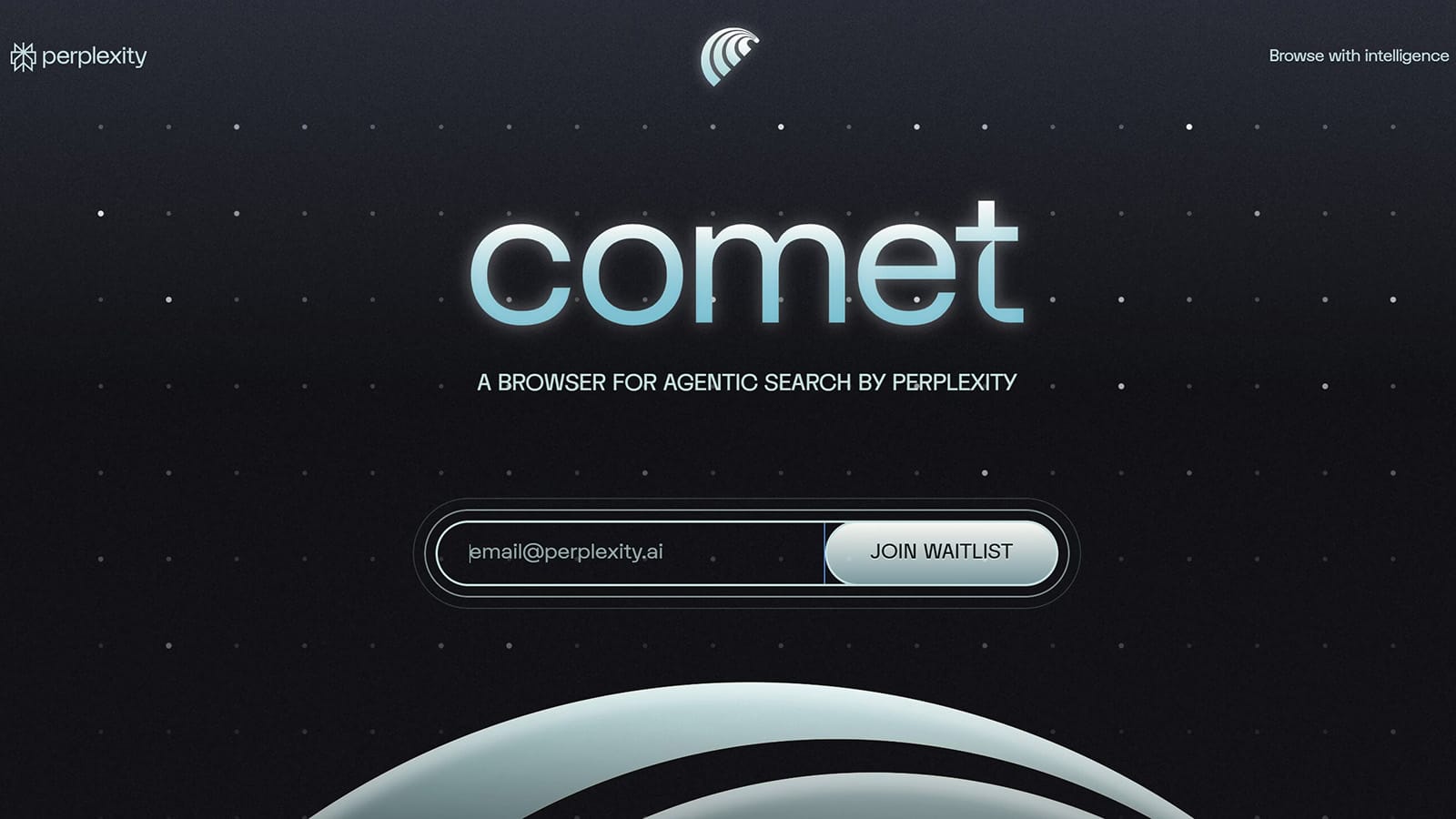
What just happened is not a launch, but a posture change. Publishers and platforms are watching agentic browsers emerge as a new layer that reads, summarizes, and acts without sending users anywhere. Tools from Perplexity, OpenAI, The Browser Company, and early experiments inside Google’s Chrome suggest browsing is turning into an assistant that completes tasks instead of delivering visits. This feels different because the browser is no longer a neutral window. It becomes an active intermediary that owns intent, execution, and context.
This quietly breaks familiar growth mechanics. Clicks, landing pages, and even branded search lose relevance when the browser answers directly. CAC math tied to traffic assumptions starts to wobble. Measurement becomes fuzzy as agents look like users but never convert. The risk is mistaking low current impact for low future impact. Chrome’s dominance means once agentic utility feels normal, distribution power shifts fast and retroactively.
The likely direction is a move from traffic optimization to presence optimization. Brands will matter more than pages. Structured data, trust signals, and machine readable value will shape visibility. Teams that still plan GTM around visits and funnels may find themselves invisible inside the interface that actually makes decisions.
ADS
Humor Came Back Because Earnest Marketing Lost Its Edge

By the end of 2025, advertising started sounding human again. After years of purpose led campaigns and carefully sanded messaging, brands leaned back into humor that felt physical, awkward, and a little risky. At Cannes Lions, most standout work used humor, not irony or brand voice theater, but jokes about sex, illness, embarrassment, and timing. IKEA used tech without making it the point. Even obscure products earned laughs by treating the audience like adults instead of a focus group.
This shift matters because the old operating assumption is breaking. Serious no longer signals trust, and polish no longer signals quality. AI has flattened execution, lowered the cost of decent creative, and flooded every channel with competence. Humor now acts as a differentiator and a confidence signal. Cost signaling plays like Cluely’s billboards or fast tactical responses like Astronomer with Gwyneth Paltrow cut through because they understood context, speed, and cultural timing, not because they followed a brand book.
The change to notice is where the risk sits. Playing it safe increasingly means being invisible. Humor done badly still fails, but humor avoided entirely now carries its own cost. As channels saturate and attention thins, showing belief in your product by being bold becomes part of the message. Teams that treat humor as a strategy, not decoration, will feel braver and look more alive in 2026.
TOGETHER WITH US
AI Secret Media Group is the world’s #1 AI & Tech Newsletter Group, reaching over 2 million leaders across the global innovation ecosystem, from OpenAI, Anthropic, Google, and Microsoft to top AI labs, VCs, and fast-growing startups.
We operate the industry’s most influential portfolio of newsletters, each shaping a different frontier of the AI & Tech revolution:
Be Smarter in 5 Minutes
- AI: AI Secret
- Tech & Business: Bay Area Letters
- Marketing: Marketing Secret
Discover the Future Products
- AI Launchpad: Oncely
- Robotics: Robotics Herald
- Hardwares: The Hardwire
We've helped promote over 500 Tech Brands. Will yours be the next?
Email our co-founder Mark directly at mark@aisecret.us if the button fails.