🎯 AI Marketing 2026

Hi, Marketers!
The new playbook is clear: intelligence in the stack, humanity in the story, and a consumer journey built for endurance, not noise.
AI
AI Marketing Goes Quiet Control Becomes the Signal

What is likely to happen in 2026 is not more AI marketing but less visible AI. The market is moving past launch theatrics and feature led storytelling. AI is becoming table stakes inside products, funnels, and CX flows. As this happens, shouting about intelligence starts to feel outdated. Research from Gartner already shows growing consumer distrust of obvious AI systems. The brands that feel modern next year will not look smarter. They will look calmer. AI will recede into infrastructure while the experience takes center stage.
It breaks several marketing habits. Feature announcements lose power. AI badges stop lifting conversion. CAC pressure makes novelty expensive. As models and tools commoditize, advantage moves away from capability and toward orchestration. The real constraint becomes trust, consistency, and control. Channels reward brands that feel stable, not clever. Funnels punish anything that feels like a system performing intelligence at the user. The quiet signal most teams miss is that emotional continuity is now doing the work attribution used to do.
For marketers and founders, the direction is clear. Design AI to reinforce identity, not interrupt it. Stop selling how the system works and start protecting how the experience feels. Measure trust and return intent, not just usage. The risk in 2026 is not being late to AI. It is being too loud with it.
TV
Netflix Turned a Final Season Into a Yearlong Funnel
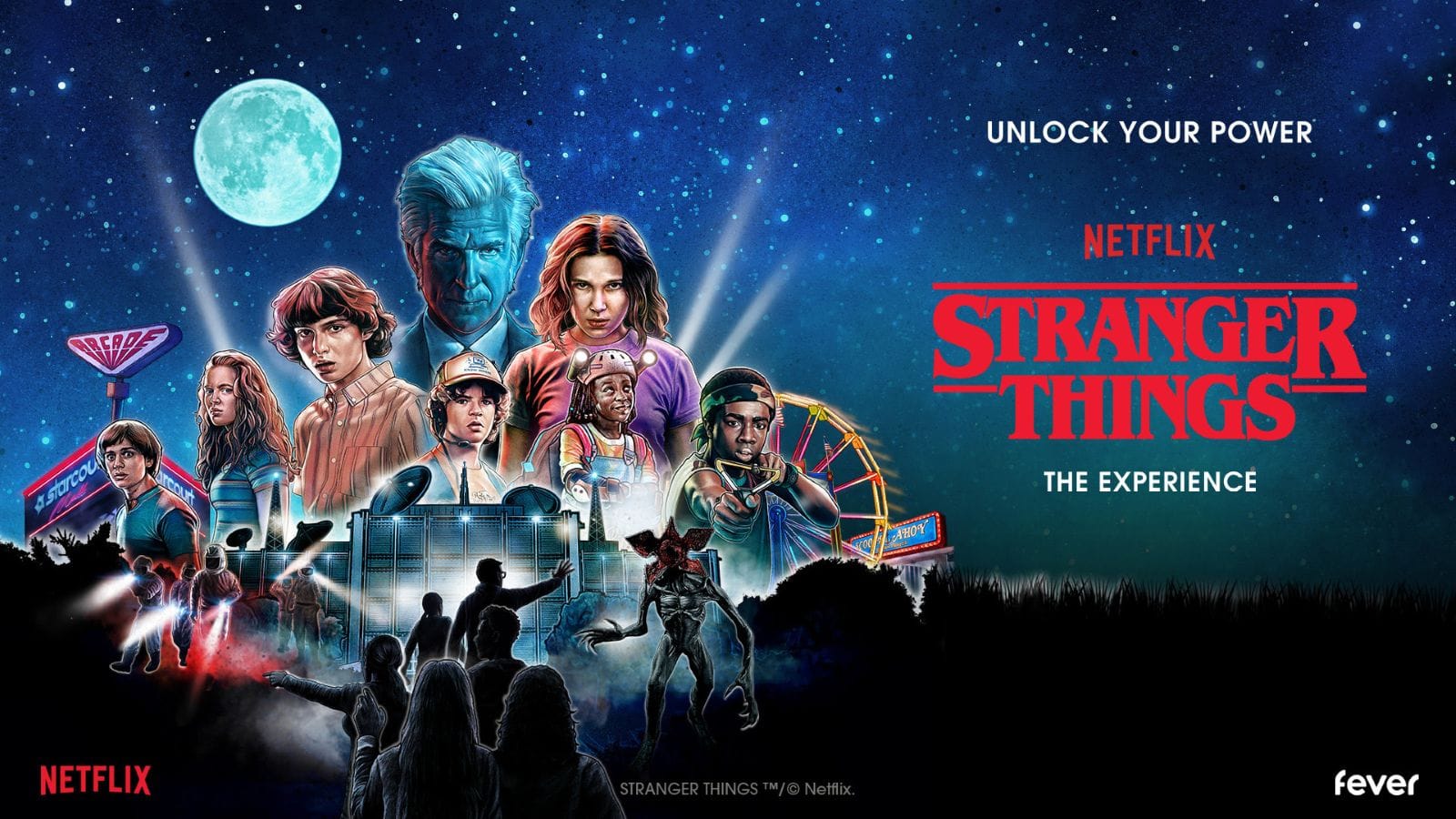
What just happened is not a launch. It is a slow, deliberate reactivation of attention. Stranger Things did not return quietly. Netflix spent months reopening the loop with rewatch prompts, cast nostalgia, and behind the scenes footage before the final episodes aired. Live events followed in dozens of cities. Broadway shows, bike rides, drone spectacles, retail tie ins. This was not about awareness. It was about making escape impossible well before release week.
This breaks the standard content launch assumption that hype peaks near premiere. Netflix shifted spend and effort earlier, turning dormant fans into active participants long before the product shipped. Billions of earned impressions came from rewatch mechanics, not trailers. Physical experiences acted as distribution, not brand fluff. Partnerships worked because they were culturally native, not logo swaps. The funnel stretched sideways into time and space instead of compressing into opening weekend.
The direction here is clear. Big franchises are becoming always on GTM machines, not seasonal campaigns. Final seasons now behave like enterprise renewals. If this pattern holds, launches will matter less than pre conditioning demand. The risk is obvious. If you cannot sustain narrative gravity, the machine stalls.
RETAIL
Starbucks Makes Culture a Role, Not a Campaign
Starbucks created a new senior marketing role focused only on fashion and beauty collaborations. It hired Neiv Toledano from E.l.f. Cosmetics to own this lane full time. This is not a one off collab spike. It is a structural bet that culture needs a dedicated operator. Previous partnerships lived across teams. This one sits on brand activation with a clear mandate to drive fandom and cultural moments.
Most big brands still treat collaborations as seasonal noise layered onto performance marketing. Starbucks is signaling that cultural relevance now needs budget ownership and accountability. Comparable store sales were flat but improving. That creates pressure to find growth without discounting. Fashion and beauty bring built in elevation and social signaling. The overlooked signal is internal. A standalone role changes how fast ideas ship and how much risk gets taken.
This leads to more operator led culture plays. Less novelty merch. More repeatable frameworks tied to specific audiences. If this works others will copy the org chart. The risk is not bad collaborations. It is turning culture into another content calendar. Under CEO Brian Niccol this is a real attempt to rebuild relevance. Execution decides whether it compounds.
TOGETHER WITH US
AI Secret Media Group is the world’s #1 AI & Tech Newsletter Group, reaching over 2 million leaders across the global innovation ecosystem, from OpenAI, Anthropic, Google, and Microsoft to top AI labs, VCs, and fast-growing startups.
We operate the industry’s most influential portfolio of newsletters, each shaping a different frontier of the AI & Tech revolution:
Be Smarter in 5 Minutes
- AI: AI Secret
- Tech & Business: Bay Area Letters
- Marketing: Marketing Secret
Discover the Future Products
- AI Launchpad: Oncely
- Robotics: Robotics Herald
- Hardwares: The Hardwire
We've helped promote over 500 Tech Brands. Will yours be the next?
Email our co-founder Mark directly at mark@aisecret.us if the button fails.