
🎯 Google Tightens Finance Ads

Hi, Marketers!
The buyer may be an agent, the traffic may be fake, the content may be invisible, and the winning brand is the one systems can verify first.
Google Tightens Finance Ads
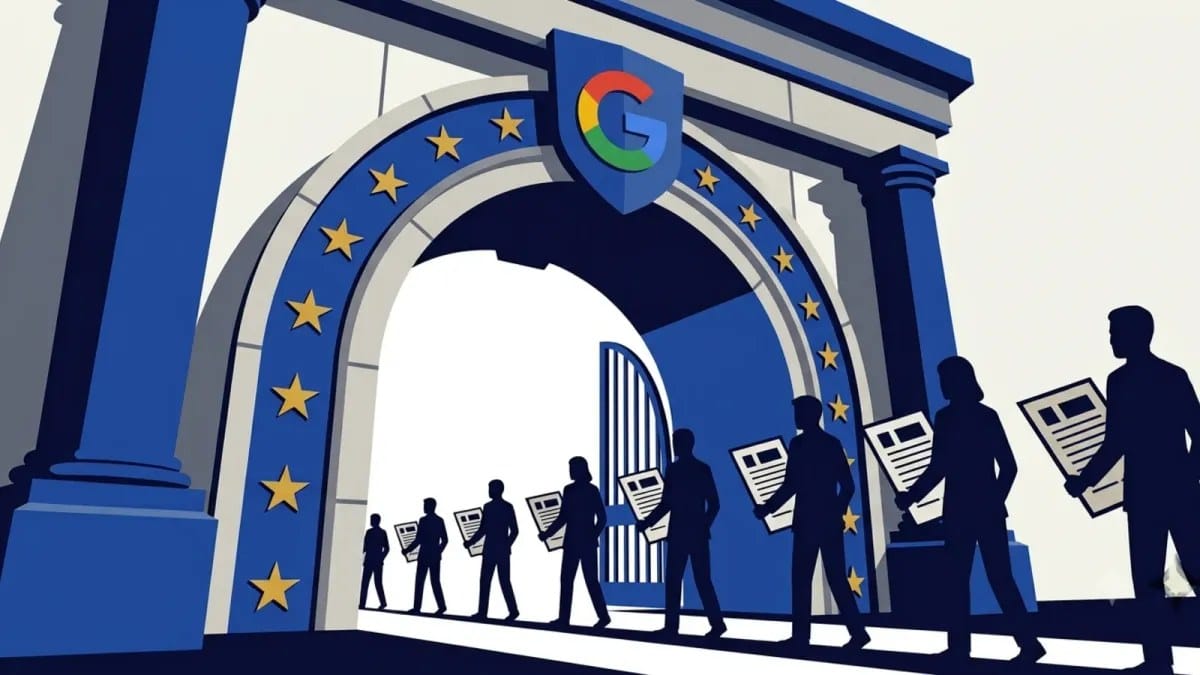
TL;DR: Google is expanding financial services advertiser verification across 24 more EU and EEA countries, with enforcement beginning July 23, 2026 for most markets. Banks, insurers, investment firms, and other regulated advertisers will need country-specific credentials before running ads, turning cross-border financial marketing into a compliance workflow before media buying even starts across Europe at scale. Read more →
LinkedIn Rewrites B2B Buying

TL;DR: LinkedIn's Buyability research, built with Bain and partners including WARC and Cannes Lions, says B2B buyers and AI systems now reward many of the same signals. With 94% of buying groups using LLMs before contacting sales, vendors need defensible brand proof that both human committees and AI retrieval systems can recognize early during research phases. Read more →
YouTube Studio Shows Revenue

TL;DR: YouTube Studio is redesigning its Content tab with a unified Notices column and per-video estimated revenue view across ads, Premium, Shopping, and fan funding. Creators no longer have to scan separate visibility, monetization, and restriction fields to understand what is hurting reach or earnings, making Studio look more like an operating dashboard for daily decisions. Read more →
Google Defends Human Content

TL;DR: Google VP of Search Liz Reid told publishers that AI visibility still depends on producing content people actually want to read. Her message pushes back against mass-produced AI slop: if a story is just the thousandth copy of something else, it is less likely to earn clicks as discovery shifts across AI, video, and social. Read more →
Google Targets AI Spam
TL;DR: Google's June spam update now treats attempts to manipulate generative AI responses in Search as policy violations. The hard part is enforcement: a Cornell Tech paper shows how third-party comments on pages used by AI agents can plant recommendations, making AI search spam less like old SEO tricks and more like retrieval poisoning at scale. Read more →
Fintech Hides From Agents

TL;DR: Slobodan Manic tested 274 fintech homepages and found 36% returned less than 80% of their homepage content without JavaScript. For AI agents and crawlers that often fetch raw HTML instead of rendering pages, that means key product messages can disappear before the brand ever gets considered in AI search results during automated discovery and evaluation. Read more →
Retail Media Meets Stores
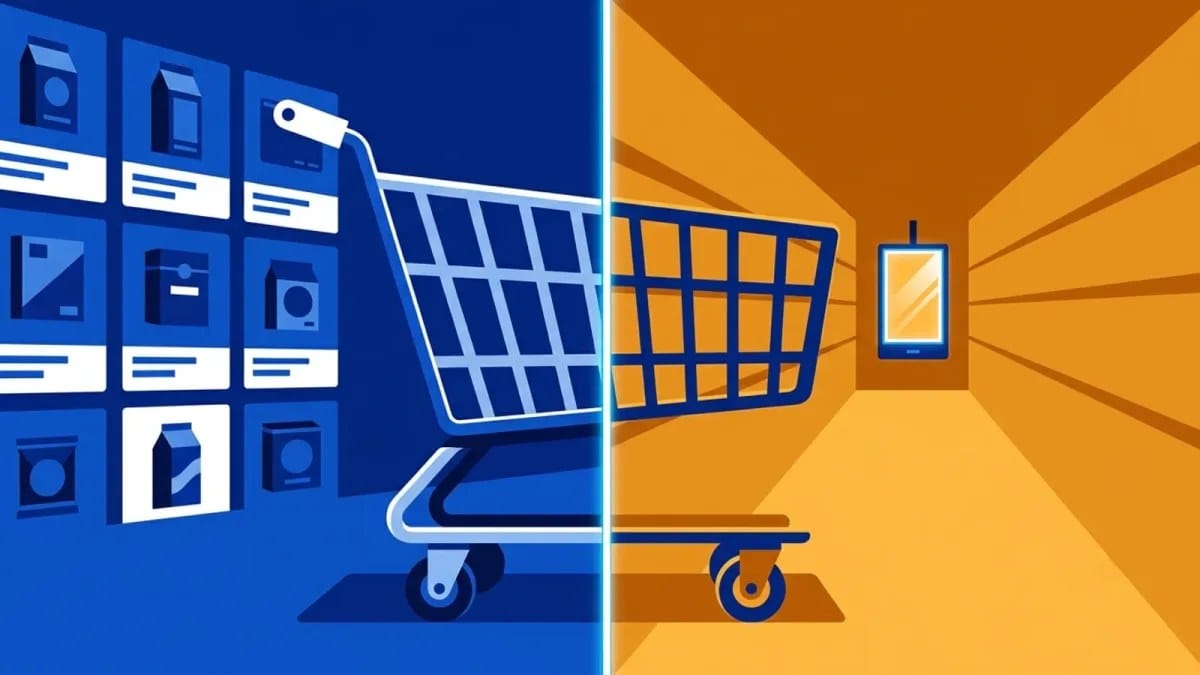
TL;DR: Broadsign and Mirakl Ads are linking e-commerce retail media with in-store digital screens under one campaign brief, with a Q3 launch planned. Mirakl will handle commerce logic while Broadsign delivers screen inventory, giving retailers a way to sell online placements and physical store media without forcing advertisers into separate workflows across the whole shopper journey. Read more →
Czech AI Buys Ads

TL;DR: R2B2, Omnicom Media, and MAFRA completed the Czech Republic's first fully autonomous AI ad buy for Skylink. A buyer entered a campaign brief into ChatGPT, then agentic systems matched inventory, negotiated terms, and executed the purchase through R2B2's MCP gateway, turning AI media buying from concept into a live local transaction inside real media markets. Read more →
GroundTruth Tracks Real Shoppers
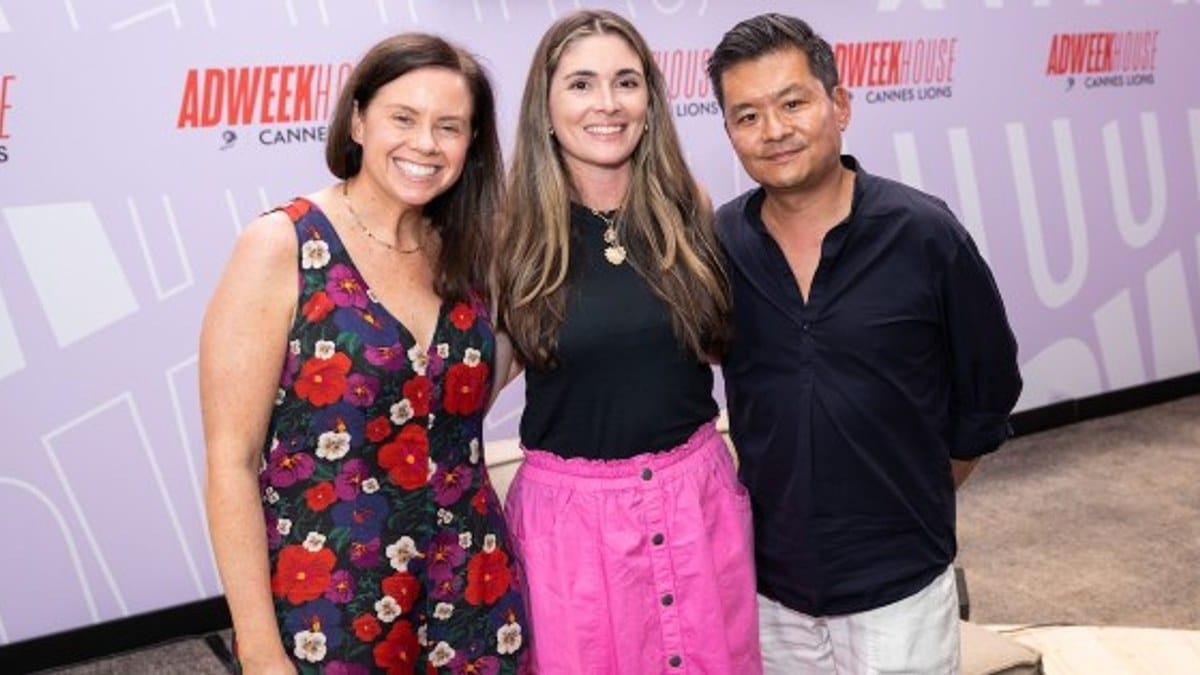
TL;DR: At an ADWEEK House Cannes session with GroundTruth, Horizon Media explained how SharkNinja used real-time signals to launch a slushy machine around summer behavior and frosé sentiment. The lesson was practical: when products go viral, brands need inventory-aware audience strategy that guides shoppers to where the product is actually available instead of wasting demand locally. Read more →
Google Labels Demand Gen

TL;DR: Google Merchant Center now supports custom labels in Demand Gen campaigns, extending a product segmentation tool once limited to Performance Max and Shopping. Advertisers can now group items by margin, season, inventory, or strategy for reporting and bidding, making Demand Gen feel less like a creative channel and more like product-level commerce media inside Google Ads. Read more →
Seedtag Sells Moment Targeting
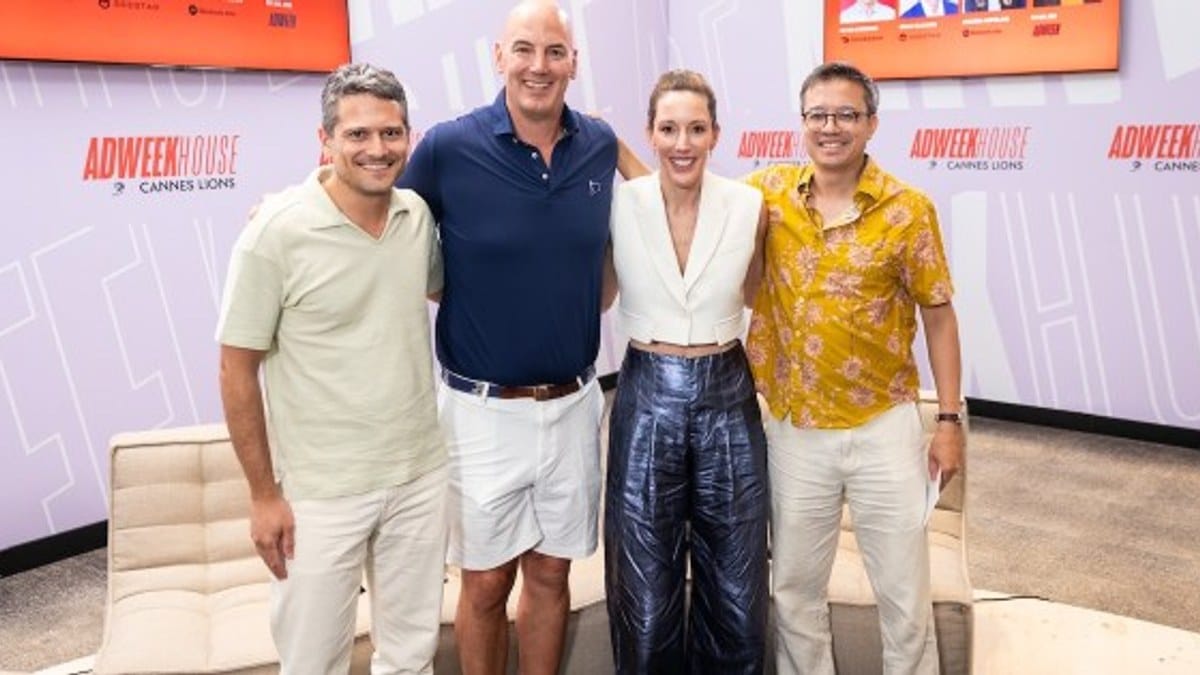
TL;DR: At ADWEEK House Cannes, Seedtag argued that static identity profiles miss the mindset that drives a purchase. EA Advertising and DoorDash described how gaming reactions, occasions, and time-of-day behaviors reveal real intent, suggesting advertisers should target the moment someone is in, not only the person a database thinks they are in the exact buying situation. Read more →
SheaMoisture Listens First

TL;DR: SheaMoisture's Silk Press in a Bottle campaign began with thousands of social videos and recurring consumer pain points around heat damage, humidity, and curl protection. Collectively then cast creators as product stress tests rather than reach machines, helping the launch generate millions of views and double sales during peak retail weeks across key shopping moments. Read more →
Adidas Pressures Nike
TL;DR: Digiday's World Cup read shows Nike and Adidas entering soccer's biggest stage from different positions. Nike has broader sports reach but softer recent results, while Adidas is using soccer and U.S. momentum to close the gap. M Science data showed Adidas apparel spending surged 70% in May, raising the stakes for tournament attention now. Read more →
Amazon Links Audio And TV

TL;DR: Amazon expanded its iHeartMedia sales deal while launching Outcome Optimizer, a TV buying tool that uses Amazon shopping, browsing, and streaming data inside programmatic guaranteed campaigns. The moves put Amazon deeper into audio, CTV, and measurement, positioning its DSP as the bridge between premium media inventory and purchase outcomes across more premium publisher supply paths. Read more →
Unilever Builds Creator Infrastructure
TL;DR: Unilever's Selina Sykes described creator marketing as a new operating model, not a media channel. Its beauty and wellbeing team is using creator collaborations, search signals, and sales measurement to turn community behavior into product ideas, including Vaseline Originals, where early hack creators can receive 15% of sales from resulting products inside its portfolio now. Read more →
READ MORE
Let the Future Come to Your Inbox
Stay ahead without drowning in information. We turn the most important signals across AI, tech, marketing, and future products into 5-minute reads you can actually finish.
- AI Secret uncovers what really matters in AI
- Bay Area Letters decodes tech and business shifts from Silicon Valley
- Robotics Herald tracks how robots move from labs into daily life
- Marketing Secret breaks down real growth and go-to-market playbooks
- The Hardwire explores hardware, consumer tech, and what’s coming next
TOGETHER WITH US
AI Secret Media Group is the world’s #1 AI & Tech Newsletter Group, reaching over 2 million leaders across the global innovation ecosystem, from OpenAI, Anthropic, Google, and Microsoft to top AI labs, VCs, and fast-growing startups.
We've helped promote over 500 Tech Brands. Will yours be the next?
Email our co-founder Mark directly at mark@aisecret.us if the button fails.