
🎯 Inbox Becomes Search Inventory

Hi, Marketers!
We spent years optimizing for feeds. Now the feeds have started reading us back.
Inbox Becomes Search Inventory

TL;DR: The paid-search mindset is creeping into email inboxes as Gmail and Outlook placements become part of broader ad products. Search Engine Journal frames inbox ads as a right-time, high-intent surface, not traditional email marketing. For buyers, the interesting shift is budget moving toward moments when people are already sorting decisions inside personal work streams daily. Read more →
Poppi Turns Fans Into Media

TL;DR: Poppi is becoming a reference point for brands shifting social media from broad consumer messaging to fan-first community building. Digiday's reporting shows marketers are treating active fans as distribution, feedback, and culture signals, not just audiences. The goal is less about posting at people and more about building groups that want to carry the brand outward. Read more →
Creators Optimize For AI Discovery

TL;DR: Creators are starting to treat AI search as a new discovery layer for brand deals. Digiday reports that some are shaping profiles, bios, websites, and public mentions so tools like ChatGPT or Perplexity can surface them to agencies. The creator marketplace is moving from platform algorithms to machine-readable reputation signals during planning moments before outreach begins. Read more →
USA Fencing Recruits Creators

TL;DR: USA Fencing is leaning on creators to make a niche Olympic sport feel discoverable before Los Angeles 2028. Rather than waiting for broadcast attention, the organization is building athlete and creator-led storylines now, giving brands a longer runway to attach to fencing culture while new fans learn the personalities, rules, and stakes behind competition before medals. Read more →
Partnerships Get Sharper

TL;DR: H&M, Chobani, UrbanStems, and Teleties are refining partnerships around fit, audience, and commercial purpose rather than simple logo swaps. Digiday's examples show collaborations becoming more disciplined: brands want shared context, measurable demand, and a reason for customers to care. Partnership strategy is being pulled closer to growth planning, not treated as decorative marketing anymore. Read more →
Open MMM Gets Agentic
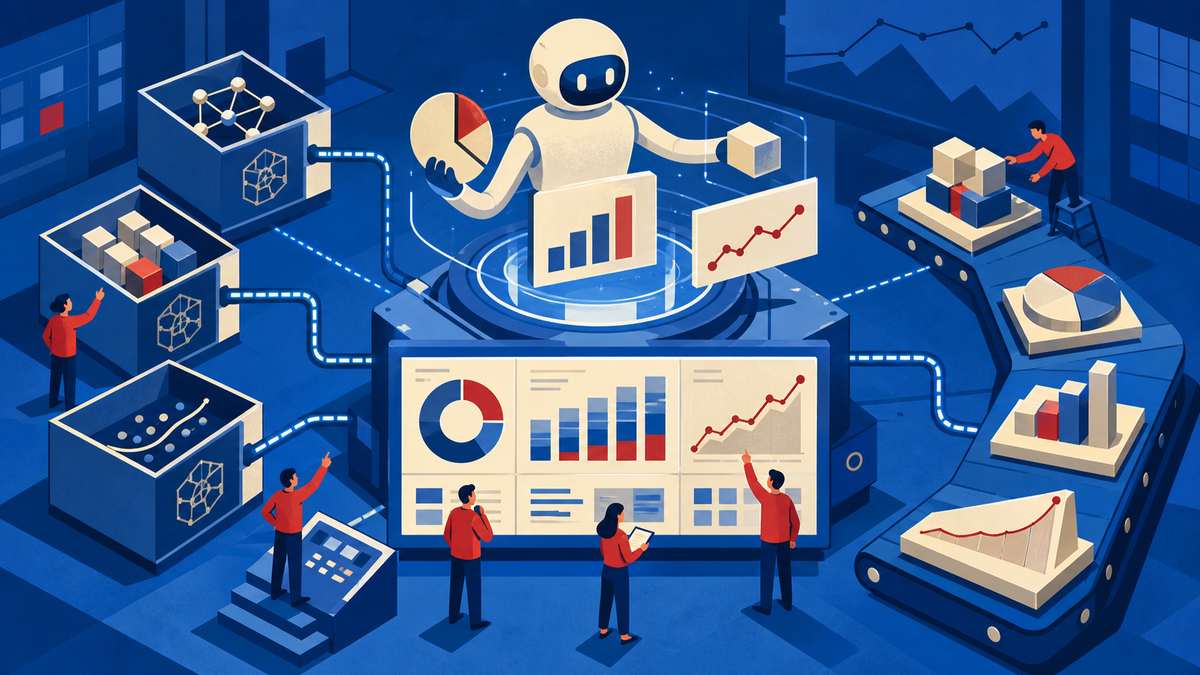
TL;DR: Open-source MMM is gaining momentum as marketers look for faster ways to understand which channels actually drive sales. AdExchanger points to tools like Google Meridian, Meta Robyn, and PyMC, with AI agents lowering the technical barrier. Measurement that once required specialist data teams is becoming more accessible to growth teams inside weekly budget decisions too. Read more →
Agentic Ads Need Boundaries

TL;DR: Agentic advertising is moving from pitch deck language into real media workflows, but AdExchanger argues the industry still has to define what AI should never control. As agents touch budgets, bids, creative, and audiences, the hard work becomes permission design, deciding where automation stops before trust breaks inside campaign operations and governance for clients too. Read more →
AI Picks Local Shortlists
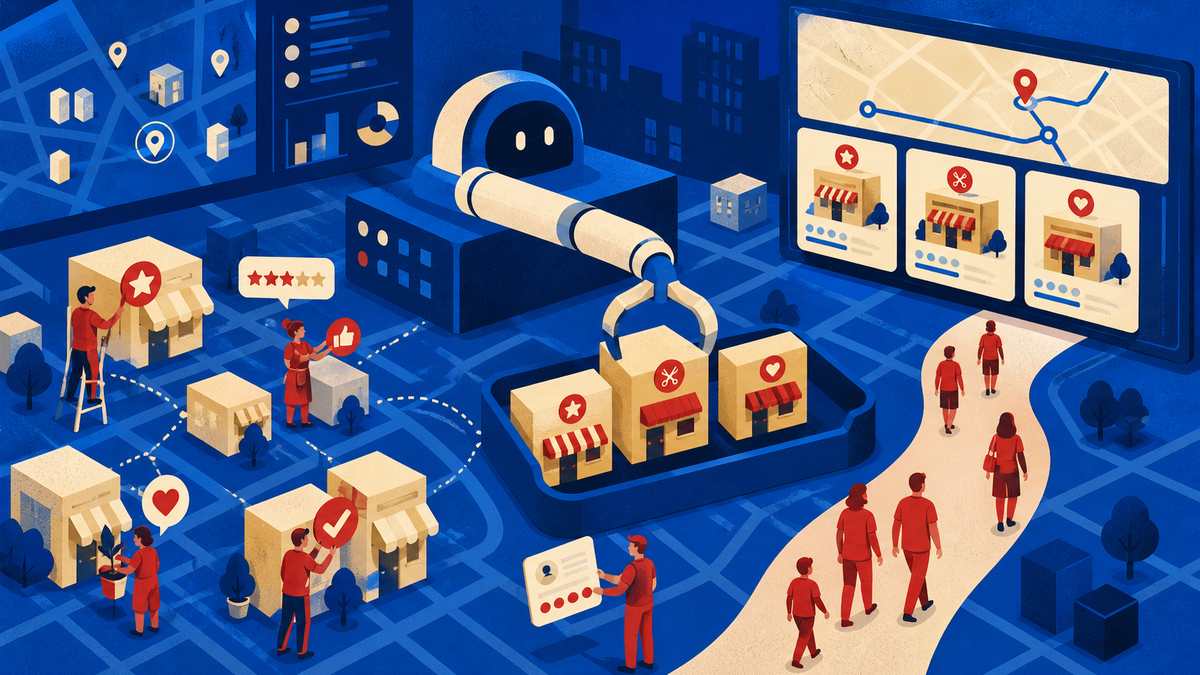
TL;DR: AI assistants are starting to choose local businesses before customers ever scan a results page. Search Engine Journal's local-search analysis argues that the new competition is getting into the assistant shortlist, not merely ranking nearby. For restaurants, service providers, and shops, structured reputation and clear entity signals become conversion infrastructure before the first click happens. Read more →
Entity Order Shapes Answers

TL;DR: Google research on subject and object order shows that AI answers can change when entity relationships are phrased differently. For marketers working on AI visibility, the lesson is practical: brand, product, and use-case relationships need to be written consistently across pages. GEO is becoming information architecture, not keyword sprinkling for machines and buyers alike now. Read more →
llms.txt Gets Formal Links

TL;DR: llms.txt v2 adds formal Markdown linking so AI agents can find cleaner, machine-readable versions of web content. The update turns an informal publishing convention into something closer to an AI-era sitemap. For marketers and publishers, the issue is no longer only human UX, but whether agents can parse the right page at the right moment. Read more →
NIQ Opens Retail Data

TL;DR: NIQ says AI-native revenue rose 34% as it prepares Optiq Bridge, an agentic commerce product that will expose retail measurement through MCP. With Unlimitail as the first retail media customer, the move suggests shopper data is being rebuilt for agents that can query, compare, and act across retail media workflows without waiting for dashboards later. Read more →
Ahrefs Compresses SEO Audits

TL;DR: Ahrefs launched Letaido with a promise to compress a 40-hour research audit into about 60 minutes, using its massive web index and AI prompt data. The interesting case is not just faster SEO reporting; it is research work moving from manual crawl-and-summarize labor into productized AI workflows for agencies and in-house teams under pressure now. Read more →
Intentsify Scores Buying Groups

TL;DR: Intentsify's QuantumDemand shifts B2B scoring away from individual MQLs and toward buying groups, using Quantum Index to read account-level demand. That matters because enterprise purchases rarely move through one lead. The software is packaging intent data around committees, giving sales and marketing a fuller map of who may actually buy before outreach starts in-market together. Read more →
AI Buyers Avoid Auctions

TL;DR: DataBeat found agentic demand behaving less like real-time bidders and more like old television buyers, entering 86% fewer auctions and clearing at lower prices. The pattern hints that AI media buying may not intensify every auction. It could instead push budgets toward fixed deals, bundles, and fewer, higher-confidence decisions inside programmatic marketplaces over time soon overall. Read more →
Gen Alpha Picks Amazon Nike
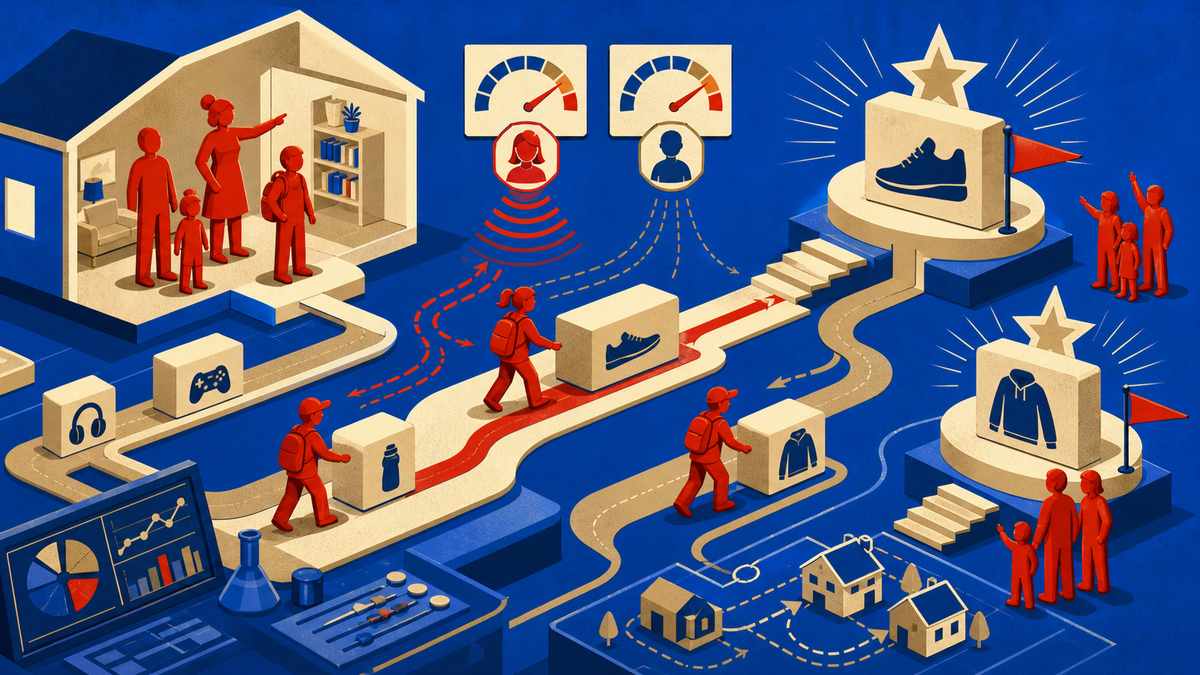
TL;DR: HarrisX and Allison Worldwide found Amazon and Nike leading among Gen Alpha teen households, with mothers exerting more influence over brand preference than fathers. The finding grounds youth marketing in a specific family dynamic: even digitally native teenagers are still shaped by household trust, convenience, and parent-mediated spending before they become independent consumers later on. Read more →
READ MORE
Let the Future Come to Your Inbox
Stay ahead without drowning in information. We turn the most important signals across AI, tech, marketing, and future products into 5-minute reads you can actually finish.
- AI Secret uncovers what really matters in AI
- Bay Area Letters decodes tech and business shifts from Silicon Valley
- Robotics Herald tracks how robots move from labs into daily life
- Marketing Secret breaks down real growth and go-to-market playbooks
- The Hardwire explores hardware, consumer tech, and what’s coming next
TOGETHER WITH US
AI Secret Media Group is the world’s #1 AI & Tech Newsletter Group, reaching over 2 million leaders across the global innovation ecosystem, from OpenAI, Anthropic, Google, and Microsoft to top AI labs, VCs, and fast-growing startups.
We've helped promote over 500 Tech Brands. Will yours be the next?
Email our co-founder Mark directly at mark@aisecret.us if the button fails.