🎯 Marvel’s Leak Marketing

Hi, Marketers!
Exclusivity is fracturing, incentives are being re-engineered, and media power is quietly shifting hands.
MOVIE
Marvel’s “Exclusive” Teasers Leak Exactly as Planned
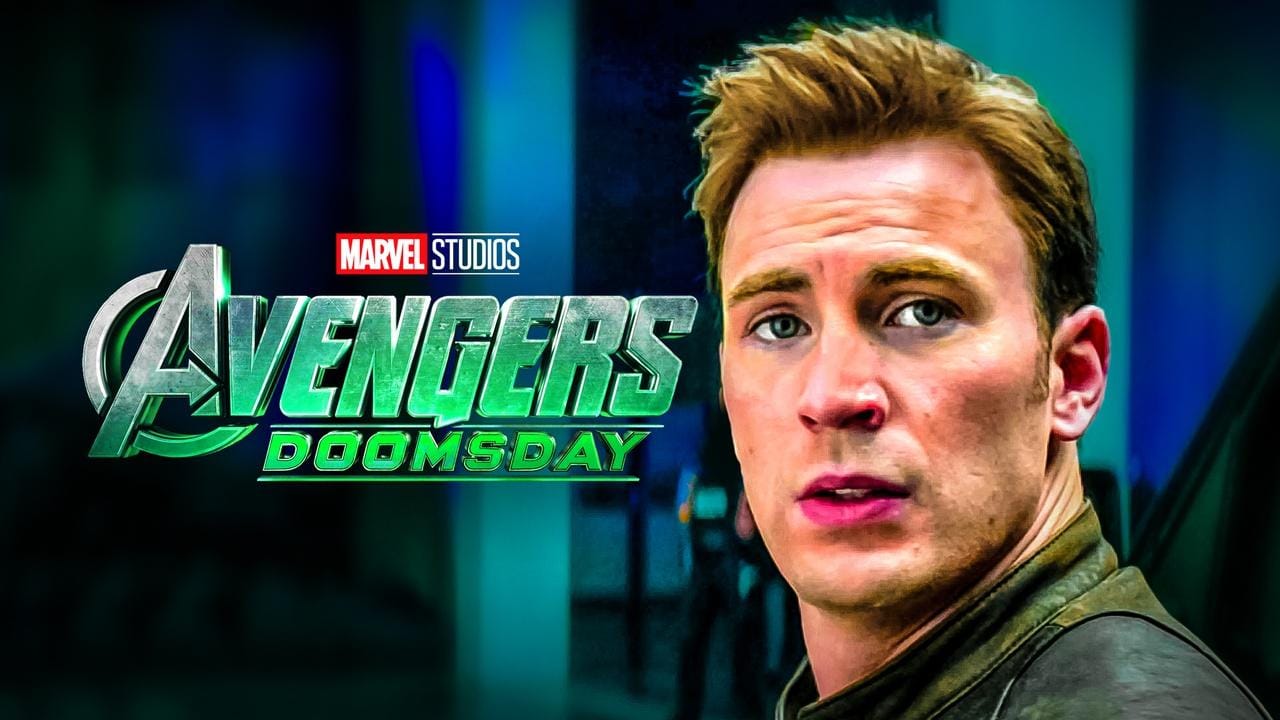
Marvel rolled out a “theatrical-only” teaser campaign for Avengers: Doomsday—four short previews shown exclusively before select films, nearly a year ahead of release. Within hours, fans filmed every frame and uploaded them in 4K across Reddit, X, and TikTok. Disney rushed to issue copyright strikes, but the clips multiplied faster than they could be deleted. The supposed “exclusive” reveal became a viral leak event watched millions of times before the studio even posted an official trailer.
At this point, it is hard to call it accidental. Marvel’s marketing team understands the physics of 2025 attention: anything forbidden spreads faster. By staging scarcity in theaters and “reacting” to the inevitable leaks, Marvel engineered both controversy and coverage. The result—record online chatter, massive earned media, and a perception of secrecy—cost them control but bought them relevance.
Marvel didn’t lose the leak war; it weaponized it. “Controlled leakage” has replaced exclusivity as the new hype engine, but it’s a dangerous trade. You win the feed today and erode brand authority tomorrow.
RESEARCH
Rewards Are Taking Over Funnel Control

Recently, several signals point to a shift away from discounts as a blunt closing tool toward rewards as a programmable layer embedded across the funnel. Instead of waiting for users to hesitate at checkout, incentives are now placed deliberately at moments of friction like trial, return, and reactivation. With acquisition costs climbing and deal seeking behavior becoming the default, rewards are being used to manufacture forward motion where intent would otherwise stall. The structural difference is timing and control, not generosity.
Strategically, this changes how marketers think about leverage. Rewards convert price cuts into stored value, which preserves margin while still reducing perceived risk for the buyer. That allows intervention earlier in the journey without training customers to wait for discounts. Budgets start shifting out of top of funnel media inflation and into systems that influence behavior mid funnel and post purchase. Marketing stops being about louder persuasion and starts becoming about reducing decision friction by design.
This also reshuffles power inside the org. Teams that control checkout, wallets, and CRM logic gain more influence than brand or campaign teams. When rewards are embedded through APIs and data rules, marketers can decide exactly who gets value, when, and in response to which action. Brands still leaning on generic promos or static loyalty programs lose flexibility and insight, even if they claim nothing has changed.
If you are still optimizing copy and creative while ignoring how value moves through your funnel, you are optimizing the wrong layer. Rewards are no longer a tactic. They are infrastructure. Either you build them into your growth system now, or you compete against teams that already turned incentives into an unfair advantage.
RETAIL
Coca-Cola Rewired Media, Not Just Agencies

Coca-Cola did not “optimize” its agency setup. It dismantled fragmentation and rebuilt marketing as an operating system. Manolo Arroyo collapsed roughly 6,000 agency relationships into WPP’s Open X, embedded thousands of agency staff inside Coke-run studios, and shifted paid media from TV dominance to digital-first execution. This matters because media scale now depends less on buying power and more on coordination speed, data integration, and execution consistency across markets.
What changed operationally is ownership. Agencies stopped acting as external suppliers and started functioning as internal infrastructure. Coke centralized creative, data, and media execution while selectively decoupling buying leverage by moving North American media to Publicis. Marketing moved closer to product, data, and commerce. Holding companies that rely on labor arbitrage quietly lost leverage. Brands capable of internalizing orchestration gained structural speed and negotiating power.
This is the new bar. CMOs are expected to build media factories, not manage vendor rosters. Budgets flow toward data unification and audience systems, not channel debates. AI accelerates output, but first-party data compounds advantage. If your marketing cannot run as infrastructure, you are already slower than the category leader.
TOGETHER WITH US
AI Secret Media Group is the world’s #1 AI & Tech Newsletter Group, reaching over 2 million leaders across the global innovation ecosystem, from OpenAI, Anthropic, Google, and Microsoft to top AI labs, VCs, and fast-growing startups.
We operate the industry’s most influential portfolio of newsletters, each shaping a different frontier of the AI & Tech revolution:
Be Smarter in 5 Minutes
- AI: AI Secret
- Tech & Business: Bay Area Letters
- Marketing: Marketing Secret
Discover the Future Products
- AI Launchpad: Oncely
- Robotics: Robotics Herald
- Hardwares: The Hardwire
We've helped promote over 500 Tech Brands. Will yours be the next?
Email our co-founder Mark directly at mark@aisecret.us if the button fails.