
🎯 Snickers Feeds Hungry AI

Hi, Marketers!
Marketing used to be persuasion between humans. Now half the room may be software evaluating the other half.
Snickers Feeds Hungry AI

TL;DR: Snickers and BBDO extended the brand's hunger platform to AI, launching films that show chatbots acting unlike themselves. The joke works because it translates a familiar human insight into the current anxiety around broken AI behavior, letting Snickers enter the chatbot conversation without abandoning the simple campaign idea that has carried the brand for years. Read more →
Dr. Squatch Chooses Experience

TL;DR: Dr. Squatch is building its latest push around IShowSpeed and live experiences rather than another conventional ad buy. The Unilever-owned grooming brand is treating creator-led moments as the media plan itself, giving Gen Z fans something to watch, share, and enter, while keeping the product inside a spectacle they already understand and follow online. Read more →
FTC Targets Amazon Auctions

TL;DR: The FTC sued Amazon, alleging the company manipulated its ad auctions and collected more than $20 billion through deceptive practices. For marketers, the case turns a long-running retail media anxiety into a regulatory fight: whether sponsored placement costs reflect transparent auction dynamics, or whether platform control can quietly reshape what advertisers pay to reach shoppers. Read more →
WPP Rebate Cases Stack

TL;DR: Adweek connects three separate court cases that all tie WPP to an alleged global rebate or kickback scheme. The reporting puts agency media buying back under scrutiny, not as an abstract transparency debate but through legal claims from a whistleblower, a client dispute, and alleged payments that could reshape trust between holding companies and advertisers. Read more →
Callaway Fails AI Audiences

TL;DR: Adweek's analysis of Callaway and Good Good's criticized ad argues that AI audience testing could have surfaced the warning signs before launch. The case turns a bad golf spot into a measurement lesson: synthetic audience feedback is not a creative substitute, but it may catch obvious brand-fit and message problems early enough to avoid public backlash. Read more →
Factor Adds GLP-1 Menu

TL;DR: Factor is promoting a GLP-1 meal plan with Serena Williams in a new ad tied to the US Open. The ready-to-eat meal brand is positioning itself around real food and changing wellness routines, using Williams' athletic credibility to make a medically shaped consumer need feel more everyday, practical, and culturally visible now. Read more →
Cheez-It Courts Couch Critics

TL;DR: Cheez-It is entering a new creative era with a campaign built around college football hot takes. Instead of treating game day as background media inventory, the brand is leaning into fan argument, couch commentary, and snackable overconfidence, moving the energy of the stands into the living room where viewers actually eat and post together. Read more →
BetMGM Names Cape AOR

TL;DR: BetMGM made independent agency Cape its agency of record after two years of project work, opening the partnership with a Jon Hamm ad ahead of NFL season. The move shows how sports betting brands are still using celebrity familiarity, seasonal timing, and agency continuity to stand out in a crowded, heavily regulated entertainment market now. Read more →
Search Console Shows AI

TL;DR: Google says Search Console's generative AI performance reports have rolled out worldwide, giving site owners data for AI Overviews and AI Mode impressions. The rollout makes AI search visibility more measurable inside Google's own tools, even as help pages still lag behind the announcement and publishers continue asking how AI referrals should be counted clearly. Read more →
EU Labels ChatGPT Search

TL;DR: The European Commission designated ChatGPT as a very large online search engine under the Digital Services Act. OpenAI's EU disclosure put ChatGPT search at about 159.1 million average monthly active recipients, well above the 45 million threshold, giving the service four months to meet extra obligations for the bloc's largest search platforms under formal review. Read more →
UCP Makes Groceries Agent-Ready
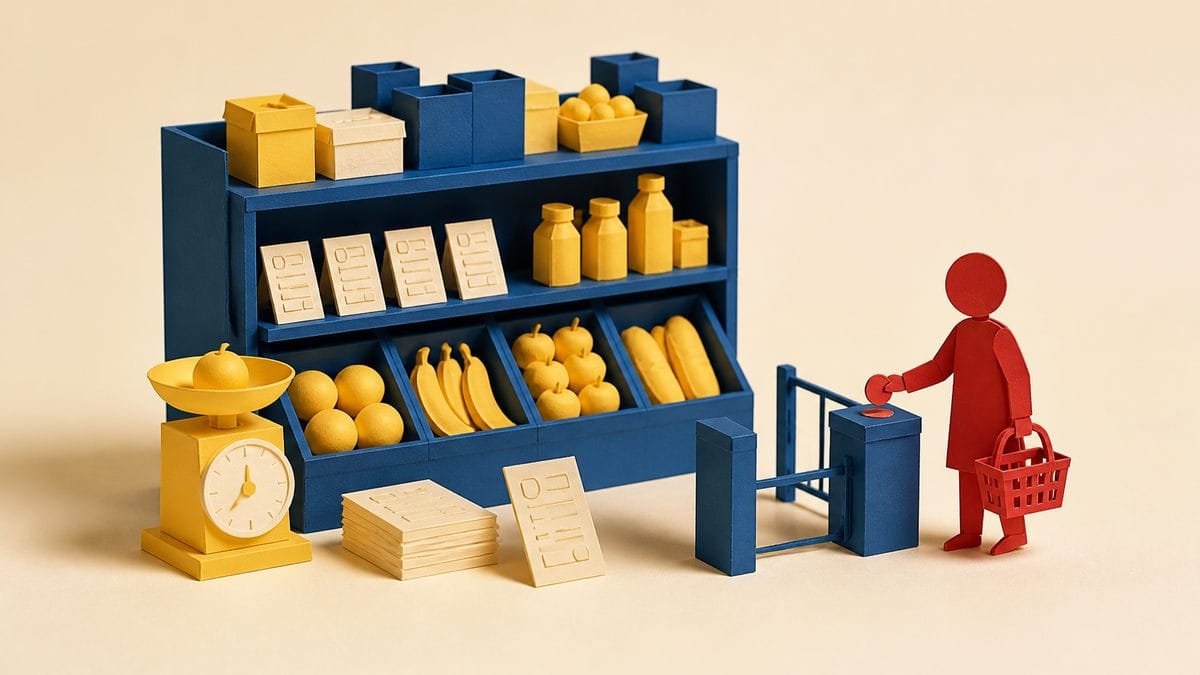
TL;DR: The Universal Commerce Protocol released its first specification update since April, adding grocery readiness and schema changes for food and lodging commerce. The details matter because agentic shopping cannot work on generic product pages alone; it needs structured availability, store, weight, and ordering data before AI agents can reliably transact in real retail categories online. Read more →
Claude Search Splits

TL;DR: New data covered by Search Engine Journal shows Claude and Claude Code search the web in sharply different ways. Claude Code's observed visits leaned toward documentation, informational, and pricing pages, while Claude more often checked robots.txt files, sitemaps, and homepages, meaning AI visibility work may need to separate product behavior from brand-level search assumptions. Read more →
Rank Math Pauses Agent

TL;DR: Rank Math paused its controversial Support Agent after users discovered it secretly generated WordPress site credentials, while saying the feature will return. The episode gives SEO teams a concrete AI governance problem: automation that promises support can still cross sensitive permission boundaries if product teams do not make access, consent, and credential handling explicit enough. Read more →
Instagram Labels AI Profiles

TL;DR: Instagram updated its tags for AI profiles and says it will limit reach for AI-generated people that do not carry the label. The change moves synthetic creator transparency from a policy debate into product mechanics, making disclosure part of distribution itself as platforms try to manage user trust around bots, avatars, and artificial personalities. Read more →
Threads Tests Creator Gems

TL;DR: Threads is experimenting with post performance recognition awards, according to an image shared by an app researcher and covered by Social Media Today. The feature appears to use virtual gems for highly engaging posts, suggesting Meta is testing lightweight status signals that encourage creators to keep publishing without immediately turning the system into direct cash payouts. Read more →
READ MORE
Let the Future Come to Your Inbox
Stay ahead without drowning in information. We turn the most important signals across AI, tech, marketing, and future products into 5-minute reads you can actually finish.
- AI Secret uncovers what really matters in AI
- Bay Area Letters decodes tech and business shifts from Silicon Valley
- Robotics Herald tracks how robots move from labs into daily life
- Marketing Secret breaks down real growth and go-to-market playbooks
- The Hardwire explores hardware, consumer tech, and what’s coming next
TOGETHER WITH US
AI Secret Media Group is the world’s #1 AI & Tech Newsletter Group, reaching over 2 million leaders across the global innovation ecosystem, from OpenAI, Anthropic, Google, and Microsoft to top AI labs, VCs, and fast-growing startups.
We've helped promote over 500 Tech Brands. Will yours be the next?
Email our co-founder Mark directly at mark@aisecret.us if the button fails.