🎯 YouTube Overtakes Hollywood

Hi, Marketers!
Marketing itself is drifting toward a new terrain—where distribution, trust, and culture move faster than control.
YouTube Overtakes Hollywood Ads
TL;DR: Research firm Moffett Nathanson estimates YouTube generated $40.4 billion in advertising revenue in 2025, surpassing the combined $37.8 billion from Disney, NBCUniversal, Paramount, and Warner Bros. Discovery. A year earlier, those studios still led. As audiences shift away from linear TV, advertisers increasingly follow viewers to YouTube, whose broader revenue also reached about $60 billion, driven by both ads and growing subscription services.
Claude Marketplace Targets Enterprise
TL;DR: Anthropic launched the Claude Marketplace, letting enterprise customers use their existing Claude API budgets to purchase third-party tools built on the model, including products from Snowflake, Harvey, and Replit. Unlike AWS or Azure marketplaces, Anthropic takes no commission. The strategy aims to consolidate enterprise AI spending around Claude, deepening vendor lock-in and positioning the model as the intelligence layer across partner software.
AI Coding Price War
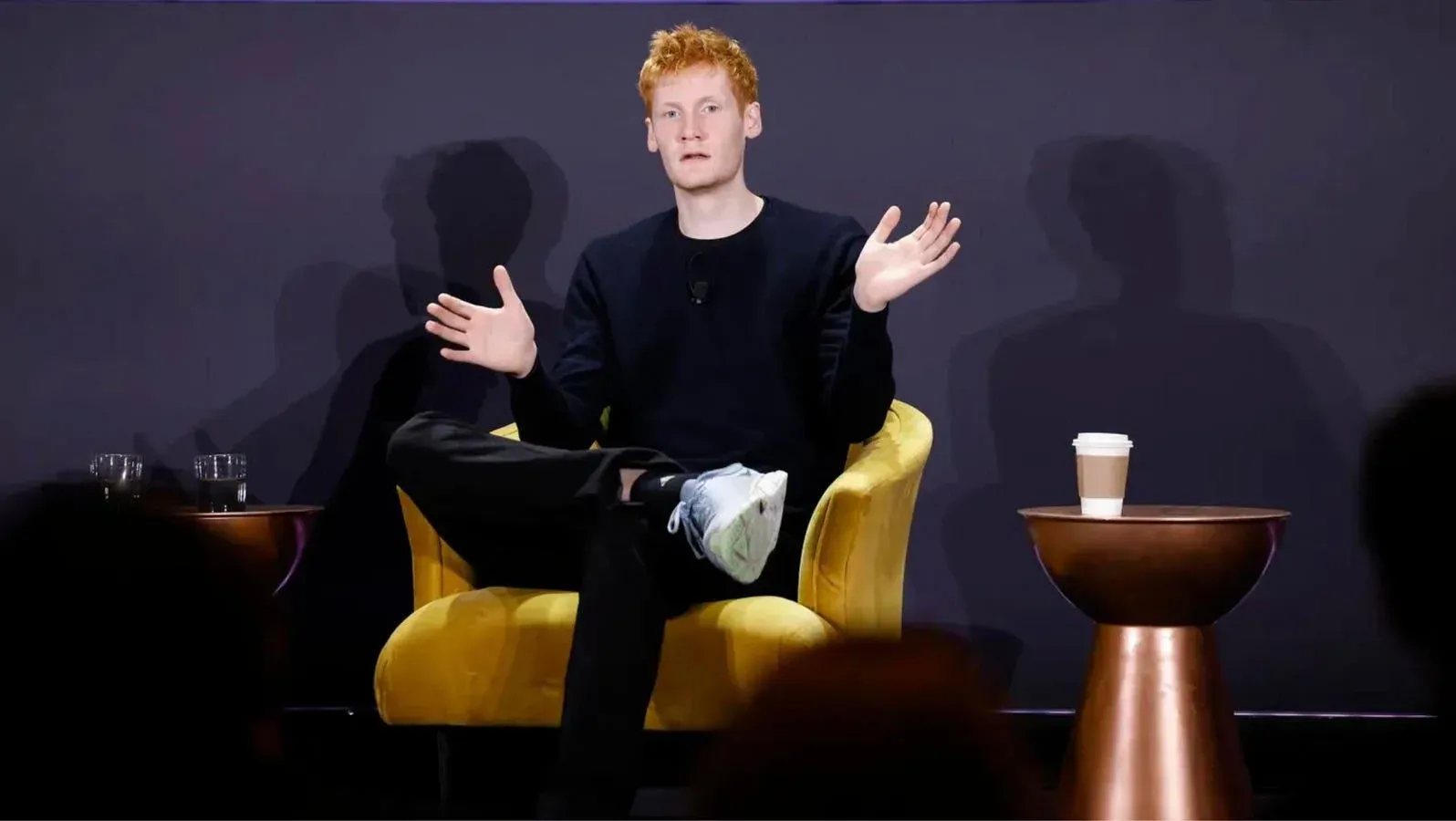
TL;DR: Internal analysis from coding startup Cursor suggests Anthropic’s $200-per-month Claude Code plan could consume up to $5,000 in compute per user, highlighting heavy subsidies in the AI coding market. As model providers compete for developer mindshare, tools are often priced below cost. Meanwhile Cursor’s revenue surged from $100 million to over $2 billion while it builds its own models to reduce dependence on external providers.
Gucci Debuts AI-Generated Campaign
TL;DR: Gucci released a campaign featuring clearly AI-generated visuals, prompting debate among critics and industry observers. Some questioned whether synthetic imagery fits a luxury brand built on craftsmanship, while others viewed the execution as intentional experimentation. The discussion focused on issues such as transparency, authorship, disclosure of AI use, and how brands manage creative control in an AI-assisted production process.
Brands No Longer Control Brands

TL;DR: Bloom & Wild CMO Charlotte Langley says modern brands must accept that they no longer fully control their brand narratives. Creators and user-generated content increasingly shape how brands are perceived, forcing marketers to listen closely to customers and collaborate with external voices. Langley argues successful marketing now blends data, instinct, and cultural relevance while focusing on meaningful, useful content rather than traditional brand messaging.
Best Buy Bets on AI Hardware
TL;DR: Best Buy says it aims to become the main retail hub for AI-powered consumer electronics, including AI glasses, Copilot+ AI PCs, smart home devices, and other emerging hardware. The company plans dedicated in-store areas for products like Meta’s AI glasses and VR headsets while expanding partnerships with OpenAI, Google, and AI commerce platforms as vendors push AI features to revive consumer electronics demand.
AI Apps Win Fast, Lose Later
TL;DR: RevenueCat’s 2026 State of Subscription Apps Report—covering 1B+ in-app transactions and $11B+ developer revenue—shows AI alone doesn’t create durable subscriptions. AI apps churn 30% faster, with lower 12-month retention (21.1% vs. 30.7%) and more refunds. The upside appears only when teams capture strong early monetization—higher trial conversion and lifetime value—while sustaining product value beyond the initial “wow” moment.
Influencer Marketing Grows Up
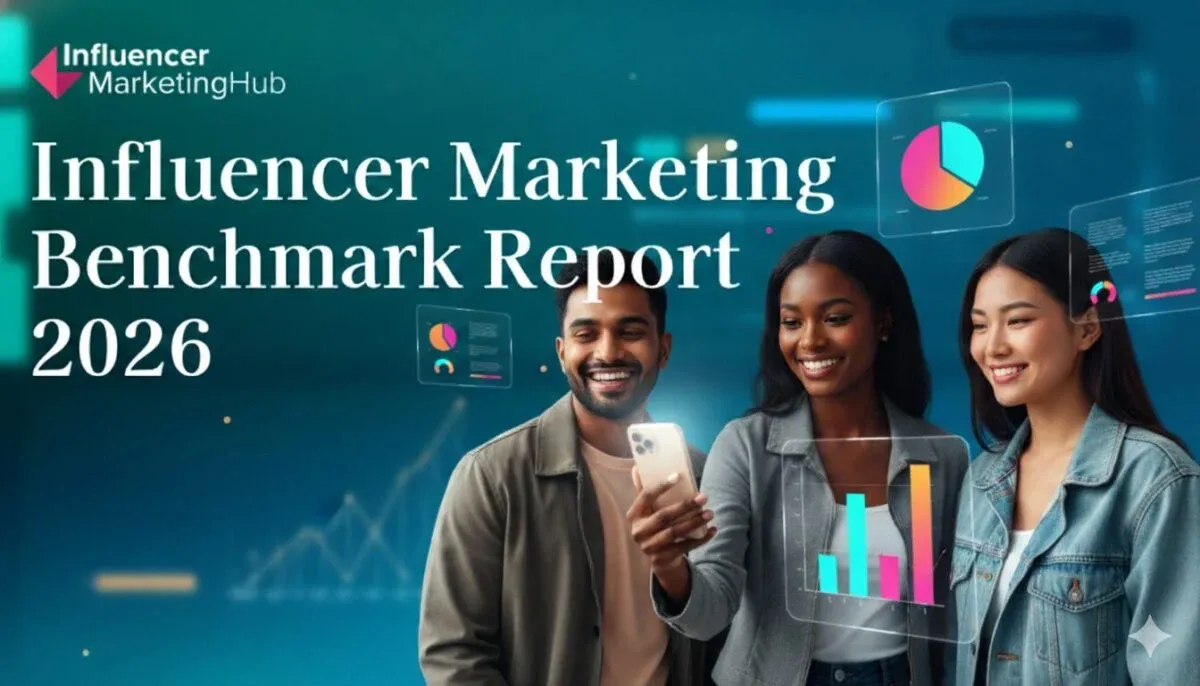
TL;DR: Influencer Marketing Hub’s 2026 Benchmark Report paints a picture of a channel that is no longer being tested at the edges. Based on input from 600-plus marketers, the report finds that most expect budgets to rise sharply, with 72.2% planning increases of 50% or more and 65.9% expecting payback within a month. TikTok remains the main bet, making influencer marketing look increasingly like a core growth engine rather than a side experiment.
Why 90% Reliability Fails
TL;DR: VentureBeat uses Andrej Karpathy’s “March of Nines” idea to explain a simple but brutal problem in agentic AI: if each step in a 10-step workflow works 90% of the time, the whole process succeeds only 34.9% of the time. The story turns a technical point into a practical warning—companies cannot market AI automation as dependable until reliability, validation, and fallback systems are engineered end to end.
Black-Box AI Loses Its Appeal
TL;DR: In a TechRadar Pro opinion piece, Digitate Europe Field CTO Efrain Ruh argues that black-box AI starts to break down once systems move from giving suggestions to taking action. As agents handle tasks like planning, remediation, and capacity decisions, companies need to understand what data shaped a recommendation and why it was made. In that world, explainability becomes part of the product—not just a technical feature.
Zuckerberg Pushes Back on “Addictive”
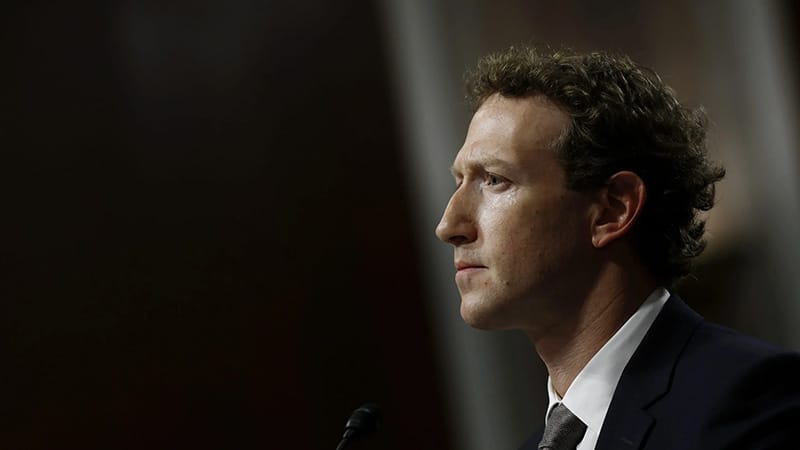
TL;DR: During a landmark New Mexico trial over social media’s effects on children, jurors watched a deposition of Meta CEO Mark Zuckerberg discussing internal research and user complaints about Facebook and Instagram. Zuckerberg rejected the label “addictive,” though he acknowledged the company once prioritized increasing time spent by teenagers. The case could shape thousands of future lawsuits targeting social media platforms.
Target Targets “Busy Families”
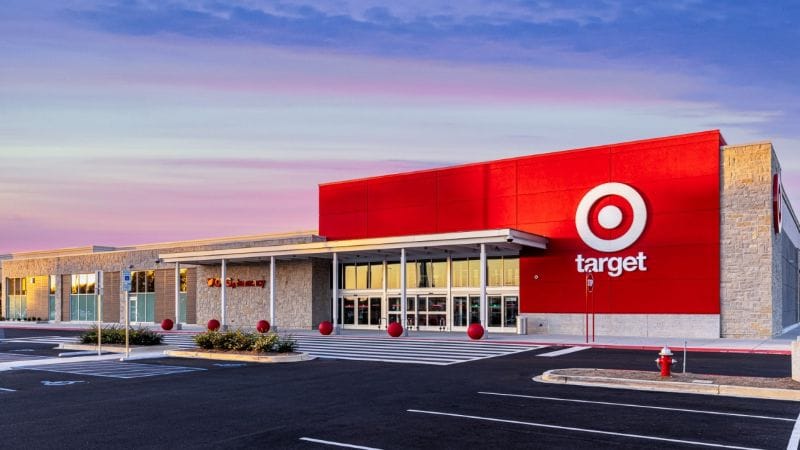
TL;DR: Target told investors it will focus its growth strategy on “busy families,” a customer segment the company says shows strong loyalty and spending. The retailer plans to expand key categories like baby and grocery, improve store experiences, and scale services such as same-day delivery and its Target Circle 360 loyalty program as it works to reverse slowing sales.
Agent Benchmarks Miss 92% of Work

TL;DR: A Carnegie Mellon and Stanford study found current AI agent benchmarks overwhelmingly focus on coding tasks, leaving roughly 92% of the U.S. labor market largely untested. Key knowledge-work domains such as management, marketing, sales, and legal services barely appear in evaluations. Researchers warn this creates a distorted picture of agent progress while revealing a massive untapped opportunity for AI agents in real-world business work.
READ MORE
Let the Future Come to Your Inbox
Stay ahead without drowning in information. We turn the most important signals across AI, tech, marketing, and future products into 5-minute reads you can actually finish.
- AI Secret uncovers what really matters in AI
- Bay Area Letters decodes tech and business shifts from Silicon Valley
- Robotics Herald tracks how robots move from labs into daily life
- Marketing Secret breaks down real growth and go-to-market playbooks
- The Hardwire explores hardware, consumer tech, and what’s coming next
TOGETHER WITH US
AI Secret Media Group is the world’s #1 AI & Tech Newsletter Group, reaching over 2 million leaders across the global innovation ecosystem, from OpenAI, Anthropic, Google, and Microsoft to top AI labs, VCs, and fast-growing startups.
We've helped promote over 500 Tech Brands. Will yours be the next?
Email our co-founder Mark directly at mark@aisecret.us if the button fails.